Radiation, Reproduction, and Regulation: Evaluating the Efficacy of the Sterile Insect Technique

Introduction to Area-Wide Integrated Pest Management
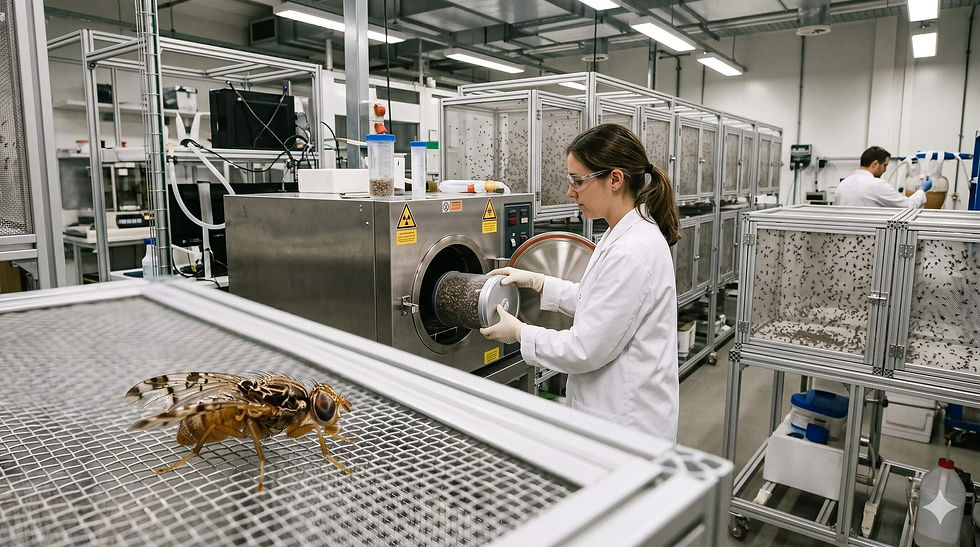
The sterile insect technique (SIT) represents one of the most rigorously validated and environmentally responsible insect pest control methodologies developed over the last century1. Operating as an autocidal control mechanism, the technique fundamentally relies on mass-rearing a specific target pest, sterilizing the males through physical or biological means, and systematically releasing them over defined geographic areas1. These sterile males compete with wild fertile males to mate with native females. Because the females mate with sterile partners, the resulting embryos fail to develop, leading to a steady, generational decline in the reproductive potential of the wild population1.
Unlike classical biological control strategies—which involve the introduction of non-native, self-replicating predators, parasitoids, or pathogens into an ecosystem—the sterile insect technique utilizes non-replicating, entirely species-specific organisms1. Consequently, the released sterile insects cannot become established in the environment as an invasive species, nor do they pose off-target risks to beneficial fauna such as pollinators or natural pest predators1. Recognizing these ecological benefits, the International Plant Protection Convention categorizes sterile insects as beneficial organisms, rendering them highly compatible with broader area-wide integrated pest management programs1.
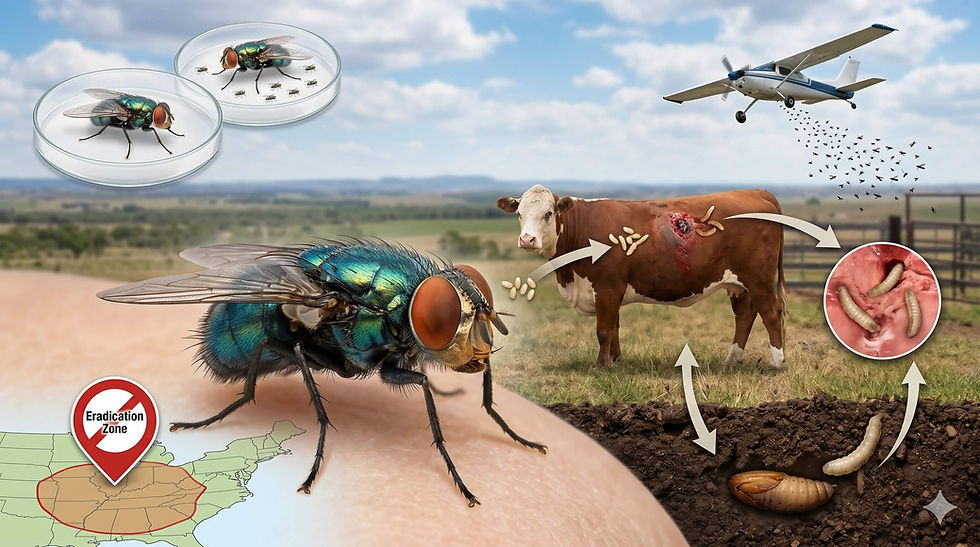
Strategic applications of the sterile insect technique typically fall into four distinct operational categories: the suppression of an active outbreak to bring populations below economic injury levels, the localized eradication of a designated population, the containment of a spreading invasive front, and the establishment of preventative biological shields against invasive species1. Historically, the sterile insect technique proved its profound efficacy during the mid-twentieth century with the successful eradication of the New World screwworm (Cochliomyia hominivorax) from the United States, Mexico, and Central America, establishing a biological barrier at the Darien Gap in Panama5. Since that foundational success, the technique has been adapted to combat a wide array of dipteran and lepidopteran pests, including various fruit flies, tsetse flies, and disease-vectoring mosquitoes1. However, modern agricultural and epidemiological challenges—ranging from the high capital cost of mass rearing to species-specific radiation resistance and the emergence of competing genetic control technologies—have necessitated the continuous refinement of these methodologies.
The Cytogenetic Basis of Radiation-Induced Sterility
The traditional and most widely deployed mechanism for inducing sterility in mass-reared insects relies on ionizing radiation, typically utilizing gamma rays emitted by cobalt-60 or cesium-137 radioisotopes, or high-energy X-rays1. When target insects are exposed to ionizing radiation at specific developmental stages, molecular bonds within their cellular structures are broken, creating ions and free radicals that aggressively attack remaining cellular components, ultimately fracturing the DNA10.
The Breakage-Fusion-Bridge Cycle in Diptera
For radiation-induced sterility to be effective in field applications, the irradiated male must remain somatically healthy and sexually competitive while carrying dominant lethal mutations within its mature germ cells11. The efficacy of this physical sterilization relies heavily on the chromosomal architecture of the target insect. In dipteran species—such as fruit flies, mosquitoes, and screwworms—chromosomes are monocentric, meaning they possess a single, highly localized centromere that dictates proper chromosome segregation during mitotic and meiotic cell division13.
When ionizing radiation induces a double-strand break in a monocentric chromosome within a mature sperm cell, the fractured chromosome lacks the necessary biological machinery to properly repair the damage prior to fertilization. The broken ends remain unhealed until the sperm fuses with a wild female's egg, prompting the newly formed zygote to initiate early mitotic divisions13. During chromosomal replication in the early prophase, the broken chromosome replicates to form two sister chromatids, both of which lack a protective telomere at the site of the original break13. Because telomeres function to prevent chromosomal ends from fusing, the exposed ends of the sister chromatids invariably fuse together, creating a dicentric chromosome—a singular chromosomal structure possessing two separate centromeres—alongside an acentric fragment that lacks a centromere entirely13.
During anaphase, the spindle apparatus attaches to the two centromeres of the dicentric chromosome and attempts to pull them toward opposite poles of the dividing cell. This opposing force creates a physical chromatin bridge that spans the cellular equator13. As the mechanical stress of cell division intensifies, the chromatin bridge inevitably snaps, though rarely at the site of the original fusion. This rupture distributes uneven, severely mutated genetic material to the daughter cells13. Meanwhile, the acentric fragment, unable to attach to the spindle fibers, is lost in the cytoplasm and excluded from the newly formed nuclei13. Because the daughter cells inherit broken chromosomes still lacking telomeres, the entire process—known as the breakage-fusion-bridge cycle—repeats relentlessly in subsequent cellular divisions. This cycle leads to the rapid accumulation of severe genetic imbalances, extensive deletions of essential genetic information, and the ultimate death of the developing embryo13.
Radiation Dose Responses Across Species
The relationship between the applied radiation dose and the resulting sterility generally follows a sigmoid curve; low doses show a linear increase in sterility, whereas higher doses require significantly more radiation to achieve marginal increases in sterility as it approaches complete suppression10. Careful calibration of this dose is essential, as excessive radiation inflicts collateral somatic damage, reducing the insect's longevity and mating competitiveness in the field10.
Different dipteran species exhibit varying baseline sensitivities to ionizing radiation, requiring tailored operational protocols.
Target Pest Species | Order | Approximate Target Dose | Sterility Outcome | Notes on Competitiveness and Somatic Health |
Anopheles gambiae | Diptera | 100 to 120 Gray | Greater than 98 percent | Mild reductions in longevity observed at the highest doses10. |
Aedes aegypti | Diptera | 50 Gray | Near complete sterility | Selected as the optimal dose to balance survival, flight ability, and sterility12. |
Ceratitis capitata | Diptera | 95 to 100 Gray | Near complete sterility | Negligible impact on sexual activity; high competitiveness when exposed to specific attractants18. |
Monochamus alternatus | Coleoptera | 40 Gray | Complete male sterility | Soluble sugars, amino acids, and lipid metabolites show irradiation shifts, but mating propensity remains stable19. |
Holocentric Chromosomes and Lepidopteran Radioresistance
While dipteran species are highly susceptible to radiation-induced sterility, insects belonging to the order Lepidoptera (moths and butterflies) exhibit profound radioresistance13. Achieving complete sterility in lepidopteran agricultural pests, such as the codling moth (Cydia pomonella), requires exceptionally high radiation doses. Administering these high doses severely compromises the somatic health, flight capacity, and mating competitiveness of the released males, rendering them ineffective at outcompeting wild males for mates21.
This radioresistance stems directly from the unique cytogenetic structure of lepidopteran chromosomes, which are holocentric, meaning they possess diffuse kinetochores rather than a single, localized centromere13. In holocentric chromosomes, the kinetochore plates are expansive, allowing spindle microtubules to attach along the entire length of the chromosome during cell division15. If an environmental clastogen, such as ionizing radiation, fragments a holocentric chromosome, the resulting chromosomal fragments retain their kinetic activity. Consequently, these fragments are faithfully segregated into daughter cells without being lost to the cytoplasm13. Furthermore, the diffuse attachment points prevent the formation of deleterious anaphase bridges, allowing lepidopteran cells to bypass the catastrophic breakage-fusion-bridge cycles that kill irradiated dipteran embryos13. Comparative studies measuring the ratio of cells stalled in the gap 2 phase versus the gap 1 phase of the cell cycle demonstrate that holocentric organisms exhibit virtually no overall cell cycle arrest response to gamma irradiation compared to monocentric organisms, illustrating their superior ability to cope with chromosomal fragmentation24.
Implementing Inherited Sterility in Lepidoptera
To circumvent this biological limitation, pest management programs targeting moths utilize a modified approach known as Inherited Sterility, or F1 sterility13. Rather than applying a fully sterilizing dose of radiation, entomologists administer a substerilizing dose (for example, between 150 and 250 Gray for the codling moth, depending on the operational year and strain)23.
When these partially sterile males are released and successfully mate with wild females, the radiation-induced chromosomal aberrations do not immediately kill all the resulting zygotes. Instead, the genetic damage is inherited by the F1 generation13. The resulting offspring exhibit much higher levels of sterility than their irradiated parents, their populations are heavily skewed to be predominantly male, and they suffer from reduced sperm quality and extended developmental timelines22. The Inherited Sterility approach effectively maximizes the field competitiveness of the released parental generation by preserving their somatic health, while simultaneously collapsing the wild population through the profound, delayed sterility of the F1 generation21. An added ecological benefit of Inherited Sterility is that the sterile F1 larvae persist in the environment just long enough to serve as hosts, helping to build up populations of natural parasitic enemies in the field, further suppressing the target pest13.
Genetic Sexing Strains and Rearing Optimization
For the sterile insect technique to be maximally effective, rearing facilities must ideally release exclusively sterile males. Bisexual releases pose several operational and ecological detriments. Firstly, mass-reared males and females released simultaneously often exhibit assortative mating—preferentially mating with each other rather than seeking out wild counterparts—which drastically reduces their suppressive impact on the native population27. Secondly, in the case of agricultural pests like the Mediterranean fruit fly, releasing sterile females is actively harmful. Even though they cannot produce viable offspring, sterile females retain their ovipositor reflexes and will puncture the skin of commercial fruits to attempt egg-laying. This physical damage introduces secondary fungal and bacterial infections, ruining the crop's market value28.
To overcome these inefficiencies, genetic sexing strains were developed using classical Mendelian genetic approaches, allowing for the conditional, early-stage elimination of females in the mass-rearing environment27.
The Vienna 8 Genetic Sexing Strain Architecture
The globally utilized Vienna 8 genetic sexing strain for the Mediterranean fruit fly represents a triumph of applied cytogenetics. The strain incorporates two distinct selectable markers located on chromosome 5: the white pupae mutation and the temperature-sensitive lethal mutation29. A carefully engineered reciprocal chromosomal translocation links the wild-type, dominant alleles of these two genes directly to the male-determining Y chromosome29.
Consequently, the genetic architecture ensures that all females are homozygous for both recessive mutations. Because they carry the white pupae mutation, female pupae exhibit a distinct white coloration29. More importantly, due to the temperature-sensitive lethal mutation, female embryos are highly susceptible to heat and will perish if exposed to temperatures between 34 and 35 degrees Celsius for 24 hours29. In contrast, the males, carrying the translocated wild-type alleles on their Y chromosome, emerge from standard brown pupae and easily tolerate the elevated thermal treatments29. By subjecting collected eggs to a precise thermal bath, rearing facilities can eradicate 100 percent of the females at the embryonic stage, allowing diet, space, and labor resources to be exclusively devoted to the production of high-quality males29.
Combating Genetic Recombination and Maintaining Strain Integrity
Mass-rearing environments, which produce hundreds of millions of flies weekly, exert enormous evolutionary pressure on insect colonies. Over time, genetic recombination events can occur during meiosis between the translocation breakpoint and the marker genes29. These crossover events produce aberrant recombinant flies—specifically, males that inherit the temperature sensitivity and females that inherit the heat resistance29. If left unchecked, the accumulation of these recombinants causes the sexing mechanism to break down, resulting in the inadvertent rearing and release of sterile females29.
To stabilize the Vienna 8 strain, entomologists introduced a massive chromosomal inversion, known as the D53 inversion, yielding the highly stable Vienna 8D53+ strain28. Chromosomal inversions act as natural suppressors of genetic recombination, physically preventing the crossover of alleles during cell division and thereby greatly enhancing the longevity and genetic integrity of the strain in continuous mass production29.
To further safeguard against colony deterioration, facilities employ a strict colony management practice known as the filter rearing system. This system relies on maintaining a small, meticulously monitored backup colony of the genetic sexing strain under low-stress, uncrowded conditions, ensuring the total absence of recombinants30. This pristine filter colony is used to routinely replenish the main production streams, and crucially, no flies from the main mass-rearing lines are ever returned to the filter colony30. Recently, facilities have also integrated cryopreservation protocols—vitrifying 48-hour-old embryos of the Vienna 8 strain—to securely bank the genetics indefinitely without the risk of genetic drift, inbreeding depression, or the costly need to continuously refresh the colony with wild flies30. Optimization of rearing also extends to the microbiome; supplementing larval and adult diets with specific bacterial isolates, such as Enterobacter and Klebsiella oxytoca, acting as probiotics, has been shown to enhance the rearing efficiency and overall biological quality of the sterile males28.
Advanced Deployment Logistics and Bridging Interventions
The successful deployment of sterile insects depends as heavily on physical handling, transport, and release methodologies as it does on mass-rearing, ensuring that the biological quality of the insects remains pristine upon introduction to the wild.
Cold-Chain Handling and Unmanned Aerial Vehicles
Modern release protocols increasingly rely on sophisticated cold-chain logistics to immobilize sterile insects, which is particularly critical for fragile species like Aedes and Anopheles mosquitoes2. Exposure to specific low temperatures triggers a physiological phenomenon known as rapid cold hardening, which protects the insects from cellular damage during chilling2. Strict thermodynamic parameters must be observed throughout transport. Holding temperatures must be sufficiently low to ensure complete immobilization—preventing the insects from damaging one another through movement in densely packed containers—but not so low or prolonged that it permanently impairs post-release survival and flight capabilities2. In operational practice, transport temperatures are generally maintained at 1 to 3 degrees Celsius below the species-specific safe threshold to account for minor fluctuations during transit2.
While historical ground-based releases are highly labor-intensive and limit the geographical dispersion of sterile insects, the integration of Unmanned Aerial Vehicles (UAVs), or drones, has revolutionized release efficiency2. Modern drone release systems feature custom-built, insulated storage units that maintain the sterile males between 8 and 10 degrees Celsius during flight2. The immobilized males are stored in shallow, specialized cassettes—typically no more than 5 centimeters deep. This shallow architecture ensures that the compaction density does not exceed 1.2 grams per cubic centimeter (roughly 50,000 males per cassette), physically preventing crushing injuries that would otherwise compromise the insects' flight wings2.
The drone's onboard electronics feed the chilled mosquitoes into an ejection mechanism consisting of a rotating cylinder. Operating at typical flight speeds of 10 meters per second, with the ejection cylinder rotating at 2 revolutions per minute, drones achieve optimal and uniform insect dispersion2. Flight altitudes are calibrated between 50 and 100 meters; while 50 meters yields slightly better recapture rates, 100 meters ensures broader geographic coverage2. This automated aerial approach reduces the operational costs of mosquito releases from approximately 20 USD per hectare per week for manual ground releases down to an estimated 1 USD per hectare per week, while vastly improving coverage over difficult urban or forested terrain2.
Bridging Strategies: Combining Attractants and Insecticides
Because the sterile insect technique relies on overwhelming the wild population with a high ratio of sterile to fertile males, the technique is fundamentally most effective when wild population densities are already low5. During severe outbreaks, or when an invasive species breaches a containment line, pest managers must deploy aggressive bridging strategies to artificially suppress the wild population before sterile releases can become mathematically viable.
The severe 2024 to 2026 resurgence of the New World screwworm provides a stark operational example of these bridging strategies. Historically contained behind a biological barrier maintained by the continuous release of sterile flies in the Darien Gap of Panama, the screwworm barrier was breached in 2022 and 20236. Driven by climate change, widespread human migration, and illicit cattle trafficking routes that evaded sanitary control points, the parasite migrated rapidly northward through Central America, ravaging livestock and wildlife (including endangered Baird's tapirs in Costa Rica), reaching southern Mexico by 2024, and sparking confirmed cases in Texas by 20266.
To aggressively halt this progression before the construction of new sterile fly production facilities could be completed, agricultural authorities deployed the Screwworm Adult Suppression System (SWASS) in conjunction with Swormlure-5 baits5. Swormlure-5 is a highly potent synthetic attractant scientifically formulated to mimic the precise volatile organic compounds of open, necrotic wounds, thereby specifically targeting adult screwworm and blow flies while remaining completely benign to non-target pollinators such as honeybees and monarch butterflies38. By combining this targeted olfactory bait with an approved insecticide, such as Dichlorvos, inside specialized pellet traps (standardized to 12.7 millimeters in diameter), authorities can actively capture and eliminate up to 90 percent of the wild adult flies within a two-to-four-week period38. The surviving 10 percent of the population is then highly susceptible to subsequent sterile fly releases, perfectly illustrating the necessity of integrated, multi-phase strategies in acute outbreak scenarios5.
Biological and Transgenic Alternatives to Radiation
The reliance on industrial irradiators for the sterile insect technique presents continuous security, logistical, and biological challenges9. High-energy gamma irradiators utilize highly regulated and dangerous radioisotopes, while X-ray irradiators require massive power inputs and suffer from much lower insect throughput due to their limited penetration depth9. Consequently, molecular biologists and geneticists have engineered alternative transgenic and symbiotic mechanisms to induce targeted sterility or lethality without relying on physical radiation.
Transgenic Lethality: The RIDL System
The Release of Insects carrying a Dominant Lethal (RIDL) technology utilizes a conditionally repressible genetic circuit designed to induce lethality in the wild while permitting completely normal reproduction within rearing facilities40. The most prominent mechanism within the RIDL framework relies on a tetracycline-controlled transcriptional activation system, commonly known as the Tet-off system, derived from bacterial resistance operons40.
In the transgenic RIDL construct, a synthetic transactivator protein is engineered by fusing a bacterial tetracycline repressor protein with a viral activation domain. This transactivator is designed to bind specifically to a unique operator sequence (the tetO response element), which in turn drives the expression of a lethal effector gene40. Depending on the strain, this effector might be the proapoptotic gene hid, which triggers massive cellular death during development44. In the controlled environment of the mass-rearing facility, an antidote—the common antibiotic tetracycline or a derivative like doxycycline—is added continuously to the larval diet40. The tetracycline molecules bind directly to the transactivator protein, inducing a rapid conformational change that physically prevents the protein from attaching to the operator sequence. This chemical interaction effectively silences the lethal gene, allowing the insects to survive, develop, and reproduce entirely normally40.
When the mass-reared males are subsequently released into the field, they compete to mate with wild females. Because tetracycline is absent in the natural environment, the resulting F1 progeny inherit the active, unbound transactivator protein. The protein successfully binds the operator sequence and triggers the overwhelming expression of the lethal effector gene, causing the offspring to die during their larval or pupal stages40. Variations of this system employ sex-specific alternative splicing sequences (such as the Cctra gene) or female-specific promoters (like the Yp1 yolk protein enhancer) to ensure that only female progeny die, creating an automated genetic sexing mechanism alongside the lethality40. This system achieves highly efficient population suppression mirroring the sterile insect technique, but entirely bypasses the physical somatic damage caused by ionizing radiation.
Cytoplasmic Incompatibility and the Incompatible Insect Technique
Another highly effective biological alternative leverages Wolbachia, a naturally occurring, maternally inherited endosymbiotic bacterium estimated to be present in up to 65 percent of all arthropod species45. Wolbachia manipulates the reproductive biology of its hosts through a phenomenon known as Cytoplasmic Incompatibility to selfishly favor its own maternal transmission through populations46.
When a Wolbachia-infected male mates with an uninfected wild female, Cytoplasmic Incompatibility induces severe paternal chromosomal condensation defects, delayed replication, massive chromatin shredding, and mitotic failure during the very first division of the zygote, resulting in inevitable embryonic death47. However, if the female is also infected with a compatible Wolbachia strain, the embryo is biologically "rescued" and develops entirely normally, perpetuating the bacteria46.
The molecular and genetic basis of Cytoplasmic Incompatibility resides in two specific genes, cifA and cifB, which are encoded within a prophage integrated into the Wolbachia genome46. These proteins are expressed heavily in the male testes46. Recent molecular research has coalesced around a "Two-by-One" genetic model, which stipulates that the dual expression of cifA and cifB in the male testes is strictly required to induce the incompatibility, whereas the singular expression of cifA in the female ovaries is responsible for rescuing the embryo48.
There are two prevailing, overlapping mechanistic models used to explain the biochemical interaction of these proteins:
The Toxin-Antitoxin Model: During early spermatogenesis, the bacteria produce both the CifA and CifB proteins. CifB acts as a potent toxin. Because Wolbachia bacteria are physically stripped away from the maturing sperm and discarded in waste bags, only the toxic Cif proteins remain packaged within the mature sperm head. Upon fertilizing an uninfected egg, the toxin disrupts embryonic mitosis. Conversely, in an infected egg, the maternal Wolbachia continuously provides the CifA protein, which acts as a highly specific antitoxin. CifA directly binds to CifB, neutralizing its lethal effects and preserving the embryo53.
The Host Modification Model: The Cif proteins work in tandem to permanently alter the developing sperm's chromatin integrity prior to fertilization. They achieve this by actively depleting long non-coding RNA in spermatocytes, nicking DNA in elongating spermatids, and disrupting the critical histone-to-protamine transition that compacts sperm DNA46. Maternal CifA must be present in the newly fertilized egg to enzymatically reverse or compensate for these severe paternal epigenetic modifications46.
The Incompatible Insect Technique harnesses Cytoplasmic Incompatibility by mass-rearing Wolbachia-infected males and releasing them to mate with wild, uninfected females2. Much like the sterile insect technique, no viable offspring are produced, driving localized population collapse55.
The Combined SIT-IIT Approach and Epidemiological Efficacy
A critical vulnerability of the Incompatible Insect Technique is its strict requirement for absolutely perfect sex separation2. If even a small number of infected females are accidentally released alongside the infected males, they can mate with the released males and produce fully viable, Wolbachia-infected offspring. Over time, this accidental introduction can lead to complete population replacement, where the wild population simply becomes entirely infected with Wolbachia, rendering all subsequent incompatible male releases completely ineffective2.
To completely mitigate this ecological risk, facilities frequently utilize a combined SIT-IIT approach. Prior to release, the Wolbachia-infected insects are exposed to a very low dose of ionizing radiation (e.g., 40 to 50 Gray for mosquitoes)2. This highly calibrated, substerilizing dose is entirely sufficient to permanently sterilize the highly radiosensitive female mosquitoes, absolutely preventing them from reproducing if they are accidentally released into the environment2. Simultaneously, this low radiation dose inflicts negligible somatic damage on the males, preserving their flight stamina and mating competitiveness, while relying entirely on the powerful Wolbachia Cytoplasmic Incompatibility mechanism to prevent the generation of male-derived offspring2.
Combined SIT-IIT trials have demonstrated remarkable epidemiological success, moving beyond mere entomological suppression to measurable human health outcomes. In extensive, cluster-randomized controlled trials conducted in the dense, high-rise public housing estates of Singapore targeting the dengue-vectoring Aedes aegypti mosquito, the continuous release of Wolbachia-infected males resulted in a rapid and steep decline in female mosquito abundance57. This profound entomological suppression translated directly to a 71 to 77 percent reduction in human dengue virus incidence in the treated zones compared to untreated control areas, alongside an 86 percent reduction in severe dengue cases requiring hospitalization58. The protective efficacy remained consistent across all four distinct serotypes of the dengue virus, firmly establishing the combined SIT-IIT methodology as a vital epidemiological tool59.
Comparison with CRISPR Cas9 Gene Drives
While the sterile insect technique, RIDL, and the incompatible insect technique are inherently self-limiting strategies—requiring continuous, inundative releases to maintain population suppression—CRISPR-Cas9 homing gene drives are engineered to be aggressively self-sustaining40. A typical gene drive actively biases its own genetic inheritance by utilizing Cas9 endonucleases to cleave a specific wild-type target sequence on the homologous chromosome, and subsequently inserting a copy of itself into the break via the cell's natural homology-directed repair mechanism60.
This technology can spread highly impactful traits through a population exponentially. For example, researchers recently developed the e-Drive (an allelic drive) designed to combat the escalating problem of agricultural insecticide resistance. The e-Drive cassette utilizes CRISPR to cleave insecticide-resistant mutant genes (such as the vgsc gene) and replace them with native, wild-type genes that are highly susceptible to chemical pesticides63. To prevent the long-term persistence of the genetically modified organism in the environment, the researchers placed the e-Drive on the X-chromosome and engineered it to impose a severe fitness penalty on the mating success of carrying males. Consequently, the drive sweeps through the population, restoring pesticide susceptibility, and then rapidly self-eliminates entirely within 8 to 10 generations, leaving only wild-type insects behind63.
Despite their immense potential, gene drives face significant evolutionary, ecological, and regulatory hurdles. The most pressing biological vulnerability is the rapid evolution of target site resistance60. When the Cas9 protein cleaves the wild-type DNA, the cell does not always repair the break using homology-directed repair. Frequently, the cell utilizes Non-Homologous End Joining (NHEJ), an error-prone repair pathway that typically introduces small insertions or deletions (indels) directly at the target site62. These indels mutate the DNA sequence just enough to render it completely unrecognizable to the Cas9 guide RNA in all future generations60. If these cleavage-resistant mutant alleles manage to preserve the essential biological function of the target gene, natural evolutionary selection will rapidly favor them, completely neutralizing the gene drive's ability to spread60.
By stark contrast, the classical sterile insect technique elegantly avoids these complex genetic resistance mechanisms61. Because the sterile insect technique relies on the brute-force induction of massive physical chromosomal damage and immediate reproductive dead-ends, rather than relying on precise, self-propagating DNA cleavage, the risk of unpredictable ecological cascades or the sudden evolution of genetic resistance is vastly lower1. Comparative studies explicitly highlight that utilizing optimized CRISPR techniques with independently integrated, non-driving Cas9 and guide RNA transgenes can achieve highly efficient germline modification without representing the severe biosafety risks inherent to autonomous gene drives61.
Technology | Core Biological Mechanism | Biosafety and Ecological Spread | Major Vulnerabilities and Hurdles |
Sterile Insect Technique (SIT) | Radiation-induced dominant lethal chromosomal mutations. | Strictly self-limiting; cannot establish in the environment. | High radiation doses can severely reduce male mating competitiveness. |
RIDL | Transgenic repressible lethal (Tet-off activation system). | Strictly self-limiting; requires continuous releases. | Severe regulatory and public acceptance hurdles for GMO release. |
Incompatible Insect Technique (IIT) | Wolbachia-induced Cytoplasmic Incompatibility (CifA/CifB). | Self-limiting, but risks potential population replacement. | Requires absolutely perfect sex sorting (or low-dose SIT intervention). |
CRISPR Gene Drive | Cas9-mediated cleavage and homology-directed repair. | Aggressively self-sustaining; can spread indefinitely. | Rapid evolution of cleavage-resistant target sites via NHEJ repair. |
Economic Efficacy and Return on Investment
While the upfront capital expenditures required to construct state-of-the-art mass-rearing facilities, integrate specialized irradiators, and manage complex aerial deployment logistics are undeniably high, retrospective cost-benefit analyses consistently demonstrate extreme long-term economic advantages. These advantages are particularly pronounced when evaluating the suppression of devastating agricultural or veterinary pests1.
Case Study: Tsetse Fly Eradication in Zanzibar
The tsetse fly (Glossina austeni) acts as the primary biological vector for African animal trypanosomosis (commonly known as nagana), a devastating parasitic disease responsible for severe livestock mortality, widespread agricultural depression, and profound economic stagnation across sub-Saharan Africa67. In the mid-1990s, an ambitious area-wide integrated pest management program was initiated on Unguja Island in the Zanzibar archipelago67. The program systematically combined initial insecticidal suppression—utilizing insecticidal pour-ons and chemical-soaked cloth targets—with the sustained aerial release of up to 100,000 sterile male tsetse flies weekly69.
By 1997, the tsetse fly was completely eradicated from the island, and the disease was eliminated67. The economic return on investment was profound and immediate. Prior to eradication, livestock losses—measured in calf mortality, disease control costs, and severe reductions in meat and milk yields—cost the relatively small region roughly 2 million USD annually69. Following the successful eradication, the total absence of nagana permitted local farmers to confidently import and sustain high-yield crossbred cattle70. Extensive socio-economic surveys indicated that average milk production effectively doubled, rising from a baseline of 4.6 liters per indigenous cow per day to an impressive 9.7 liters per crossbred cow per day, fundamentally transforming local agricultural livelihoods, significantly boosting rural incomes, and securing regional food stability70.
Case Study: Codling Moth in the Okanagan-Kootenay Valley
The Okanagan-Kootenay Sterile Insect Release program in British Columbia, Canada, represents one of the longest-running, most successful sterile insect technique applications targeting a radioresistant lepidopteran pest23. Targeting the invasive codling moth, the area-wide program successfully achieved a staggering 94 percent overall reduction in wild moth populations over its operational lifespan71.
Rigorous economic benefit-cost analyses of the program highlight immense social and producer benefits. By drastically reducing the reliance on broad-spectrum chemical pesticides, the program proactively protects the social license of local agriculture, satisfies consumer demands for sustainable practices, and preserves critical populations of beneficial pollinator insects72. For the producers themselves, the economics are highly favorable; traditional organic pest control methods, such as intensive virus sprays, can require up to 20 separate applications per season, driving costs to between 700 and 1,400 USD per acre33. In contrast, the implementation of the sterile insect technique reduces costs to approximately 400 USD per acre33. While alternative methods, such as synthetic mating disruption, can be financially viable for small, tightly localized orchard acreage, the sterile insect technique provides a vastly superior cost-benefit structure for broad, regional control by permanently shifting the economic burden away from continuous, individual chemical spray applications, ultimately yielding an estimated 250 percent return on investment72.
The Economics of Preventative Shields and Eradication
Perhaps no economic metric illustrates the true value of the sterile insect technique more starkly than the staggering cost of failure to contain a major pest. In California, the preventative release program establishing a biological shield of sterile Mediterranean fruit flies costs the state and federal government approximately 14 to 16 million USD annually4. However, detailed economic models estimate that a permanent, unchecked establishment of the Mediterranean fruit fly in the region would immediately trigger annual losses of over 1.3 to 1.8 billion USD. These losses stem from direct crop destruction, massive increases in pesticide application, mandatory quarantine compliance costs, and crippling international trade embargoes4.
Conversely, the technique is not automatically viable for every pest. A recent feasibility study investigating the application of the sterile insect technique for the Oriental Fruit Fly determined that the technique was currently economically unviable66. The primary limitation is dietary and biological; while the larval diet required to produce 180 million sterile Mediterranean fruit flies costs approximately 1.3 million USD annually, the Oriental Fruit Fly larvae are significantly larger, requiring substantially more diet and space, driving equivalent rearing costs up to 4.2 million USD66. Furthermore, because current highly effective chemical attractants (such as methyl eugenol) allow authorities to rapidly detect and eradicate Oriental Fruit Fly incursions for merely 649,000 USD annually, the estimated 16 million USD cost to operate a sterile insect preventative program for the species cannot currently be economically justified66.
However, when existing biological shields fail, the economic consequences validate the necessity of the technology. The New World screwworm has historically been held at a strict biological barrier in Panama through the constant, industrial-scale release of up to 50 million sterile flies per week6. In 2022 and 2023, following massive human migrations and illegal cattle trafficking through the dense Darien Gap, the biological barrier was severely breached34. This led to tens of thousands of devastating livestock infections and a rapid, uncontrolled northward progression into Texas by 202634. Agricultural economic estimates suggest that a permanently established screwworm outbreak in Texas alone could cost local producers up to 732 million USD annually (adjusted from historical 1976 outbreak data), and exact an overall, cascading economic toll of roughly 1.8 to 1.9 billion USD on the wider regional economy34. To combat this, authorities are currently investing 750 million USD to construct a massive new sterile fly production facility in Texas capable of producing 300 million flies per week76.
Economic Case Study | Pest Species | Annual Program Cost | Economic Loss Prevented | Primary Economic Benefit |
Zanzibar Eradication | Tsetse Fly | Project Specific Funding | ~2 Million USD annually | 100 percent increase in milk yield; mortality reduced70. |
California Shield | Medfly | ~14 to 16 Million USD | 1.3 to 1.8 Billion USD | Prevention of crop destruction and trade embargoes4. |
Texas Outbreak (2026) | Screwworm | ~750 Million USD (Capital) | ~1.8 to 1.9 Billion USD | Prevention of massive livestock mortality and economic toll34. |
British Columbia (OK SIR) | Codling Moth | ~400 USD / Acre | 700 to 1,400 USD / Acre (Chemical alternatives) | 250 percent ROI; 94 percent pest reduction33. |
These figures unequivocally demonstrate that while sterile insect technique programs are highly resource-intensive and require vast scientific infrastructure, their return on investment is validated not merely by increased immediate agricultural yields, but by the catastrophic, cascading financial losses they actively and permanently prevent1.
Conclusion
The sterile insect technique has evolved dramatically from its mid-twentieth-century origins into a highly sophisticated, multi-disciplinary biological tool that remains absolutely essential to modern area-wide integrated pest management. The underlying biological mechanisms that dictate its efficacy—ranging from the aggressive manipulation of breakage-fusion-bridge cycles in highly sensitive dipteran monocentric chromosomes, to leveraging the nuances of Inherited Sterility in radioresistant, holocentric lepidopterans—demonstrate the critical necessity of tailoring pest control strategies to exact species cytogenetics.
Simultaneously, the technique has been relentlessly optimized through advanced genetic engineering. The strategic deployment of large-scale chromosomal inversions and precise temperature-sensitive lethal markers in genetic sexing strains has drastically improved mass-rearing economics, prevented colony collapse, and refined field suppression dynamics. As stringent ecological regulations and rising evolutionary resistance restrict the continued use of broad-spectrum chemical pesticides, the integration of the sterile insect technique with advanced delivery logistics—such as automated, high-altitude drone releases—and targeted bridging suppression tactics like SWASS proves indispensable in combating acute crises.
Furthermore, the rapid development of complementary biological technologies, such as the tetracycline-repressible RIDL system and the Wolbachia-driven incompatible insect technique, provides highly promising, radiation-free pathways for controlling severe human disease vectors where traditional methodologies face insurmountable logistical barriers. Though emerging transgenic approaches, like aggressively self-sustaining CRISPR gene drives, offer immense theoretical potential for permanent pest alteration, the classical sterile insect technique remains the paramount global standard for bio-secure, ecologically safe, and highly economically viable population suppression.
Works cited
Sterile insect technique, pest control with sterilized insects | IAEA, https://www.iaea.org/topics/sterile-insect-technique
Current Status of Mosquito Handling, Transporting and Releasing in Frame of the Sterile Insect Technique - PMC, https://pmc.ncbi.nlm.nih.gov/articles/PMC9224830/
Innovative sterile male release strategies for Aedes mosquito control: progress and challenges in integrating evidence of mosquito population suppression with epidemiological impact - PMC, https://pmc.ncbi.nlm.nih.gov/articles/PMC11613880/
THE STERILE INSECT TECHNIQUE: COST-EFFECTIVE CONTROL OF THE MEDITERRANEAN FRUIT FLY - OSTI.GOV, https://www.osti.gov/etdeweb/servlets/purl/20198266
Commissioner Miller: First Suspected New World Screwworm Case in Texas Demands Use of All Available Tools to End Threat, https://texasagriculture.gov/News-Events/Article/11929/Commissioner-Miller-First-Suspected-New-World-Screwworm-Case-in-Texas-Demands-U
New World screwworm detected within 60 miles of US border, https://www.avma.org/news/new-world-screwworm-detected-within-60-miles-us-border
A flesh‑eating fly is advancing toward the US border – can it be stopped? | The Invading Sea, https://www.theinvadingsea.com/2026/04/16/new-world-screwworm-mexico-border-sterile-insect-technique-florida-keys-deer-climate-change/
Mass rearing and sterile insect releases for the control of Anastrepha spp. pests in Mexico a review - ADS, https://ui.adsabs.harvard.edu/abs/2017EEApp.164..176O/abstract
EVALUATION OF MACHINE-BASED SOURCES FOR STERILE INSECT TECHNIQUE - OSTI.GOV, https://www.osti.gov/servlets/purl/2002305
Radiation biology of mosquitoes - PMC - NIH, https://pmc.ncbi.nlm.nih.gov/articles/PMC2777328/
Genetic Basis of the Sterile Insect Technique - ResearchGate, https://www.researchgate.net/publication/226385195_Genetic_Basis_of_the_Sterile_Insect_Technique
Development of the Sterile Insect Technique to control the dengue vector Aedes aegypti (Linnaeus) in Sri Lanka | PLOS One - Research journals, https://journals.plos.org/plosone/article?id=10.1371/journal.pone.0265244
Inherited sterility in insects - Wikipedia, https://en.wikipedia.org/wiki/Inherited_sterility_in_insects
Chromosome number evolves at equal rates in holocentric and monocentric clades - PubMed, https://pubmed.ncbi.nlm.nih.gov/33048946/
Chromosome number evolves at equal rates in holocentric and monocentric clades - PMC, https://pmc.ncbi.nlm.nih.gov/articles/PMC7584213/
Breakage-fusion-bridge cycle - Wikipedia, https://en.wikipedia.org/wiki/Breakage-fusion-bridge_cycle
Breakage Fusion Bridge cycle or BFB cycle-Explanation - YouTube, https://www.youtube.com/watch?v=-xcfgnXf_Xg
Sterile medfly males of the tsl Vienna 8 genetic sexing strain display improved mating performance with ginger root oil - INIS-IAEA, https://inis.iaea.org/records/vh4sy-1za48
Radiation-Induced Metabolomic Changes in Sterile Male Μοnochamus alternatus (Coleoptera: Cerambycidae) - PMC, https://pmc.ncbi.nlm.nih.gov/articles/PMC5443606/
Advances and Challenges of Using the Sterile Insect Technique for the Management of Pest Lepidoptera - MDPI, https://www.mdpi.com/2075-4450/10/11/371
Advances and Challenges of Using the Sterile Insect Technique for the Management of Pest Lepidoptera - PMC, https://pmc.ncbi.nlm.nih.gov/articles/PMC6921062/
(PDF) Inherited Sterility in Insects - ResearchGate, https://www.researchgate.net/publication/227040439_Inherited_Sterility_in_Insects
Twenty-five Years of Research Experience with the Sterile Insect Technique and Area-Wide Management of Codling Moth, Cydia pomonella (L.), in Canada - PMC, https://pmc.ncbi.nlm.nih.gov/articles/PMC6780149/
Holocentric chromosomes: from tolerance to fragmentation to colonization of the land - Oxford Academic, https://academic.oup.com/aob/article/121/1/9/4560298
Speeding up evolution at genome-level | Max-Planck-Gesellschaft, https://www.mpg.de/21064849/speeding-up-evolution-at-genome-level
Inherited sterility for insect pest control | IAEA, https://www.iaea.org/topics/inherited-sterility
Genetic Sexing of the Mediterranean Fruit Fly - International Atomic Energy Agency, https://www.iaea.org/sites/default/files/2024-07/medfly-genetic-sexing-jr.pdf
Medfly Gut Microbiota and Enhancement of the Sterile Insect Technique: Similarities and Differences of Klebsiella oxytoca and Enterobacter sp. AA26 Probiotics during the Larval and Adult Stages of the VIENNA 8D53+ Genetic Sexing Strain - Frontiers, https://www.frontiersin.org/journals/microbiology/articles/10.3389/fmicb.2017.02064/full
Improving the Phenotypic Properties of the Ceratitis capitata (Diptera: Tephritidae) Temperature-Sensitive Lethal Genetic Sexing Strain in Support of Sterile Insect Technique Applications - PMC, https://pmc.ncbi.nlm.nih.gov/articles/PMC7724746/
Cryopreservation of the Mediterranean fruit fly (Diptera: Tephritidae) VIENNA 8 genetic sexing strain: No effect on large scale production of high quality sterile males for SIT applications | PLOS One - Research journals, https://journals.plos.org/plosone/article?id=10.1371/journal.pone.0211259
Temperature Sensitivity of Wild-Type, Mutant and Genetic Sexing Strains of Ceratitis capitata, https://pmc.ncbi.nlm.nih.gov/articles/PMC9604331/
Cryopreservation of embryos of the Mediterranean fruit fly Ceratitis capitata Vienna 8 Genetic Sexing Strain - Publication : USDA ARS, https://www.ars.usda.gov/research/publications/publication/?seqNo115=331222
The Future of Agriculture: Where Drones, AI, and Biology Converge – M3 AgTech | Sterile Insect Release, https://m3agtech.com/2024/12/29/revolutionizing-sustainable-agriculture-the-role-of-drones-ai-and-sterile-insect-technique-sit/
New World Screwworm Moves Beyond Containment Threshold | Market Intel, https://www.fb.org/market-intel/new-world-screwworm-moves-beyond-containment-threshold
Cochliomyia hominivorax - Wikipedia, https://en.wikipedia.org/wiki/Cochliomyia_hominivorax
(PDF) Illegal cattle trade brings New World Screwworm to wildlife and continues to destroy protected areas in Mesoamerica - ResearchGate, https://www.researchgate.net/publication/394118542_Illegal_cattle_trade_brings_New_World_Screwworm_to_wildlife_and_continues_to_destroy_protected_areas_in_Mesoamerica
1976-1980 · STOP Screwworms - National Agricultural Library, https://www.nal.usda.gov/exhibits/speccoll/exhibits/show/stop-screwworms--selections-fr/1976-1980
TEXAS AGRICULTURE COMMISSIONER SID MILLER AND USDA TO DEPLOY SWORMLURE-5 IN AGGRESSIVE EFFORT TO STOP SCREWWORM CRISIS > Texas Department of Agriculture Website > News & Events, https://texasagriculture.gov/News-Events/Article/10470/TEXAS-AGRICULTURE-COMMISSIONER-SID-MILLER-AND-USDA-TO-DEPLOY-SWORMLURE-5-IN-AGG
Efficacy of Different-sized Pellets of the Screwworm (Diptera: Calliphoridae) Adult Suppression System (SWASS) During the Wet an, https://academic.oup.com/jee/article-pdf/80/3/629/19232552/jee80-0629.pdf
Tetracycline-repressible lethal systems. (a) Two-component system as... - ResearchGate, https://www.researchgate.net/figure/Tetracycline-repressible-lethal-systems-a-Two-component-system-as-previously-published_fig2_277836914
Insect Population Control Using a Dominant, Repressible, Lethal Genetic System - Convention on Biological Diversity, https://www.cbd.int/cms/ui/forums/attachment.aspx?id=411
Tetracycline-controlled transcriptional activation - Wikipedia, https://en.wikipedia.org/wiki/Tetracycline-controlled_transcriptional_activation
Tetracycline (Tet) Inducible Expression - Addgene, https://www.addgene.org/collections/tetracycline/
A repressible female-specific lethal genetic system for making transgenic insect strains suitable for a sterile-release program - PMC, https://pmc.ncbi.nlm.nih.gov/articles/PMC26929/
https://royalsocietypublishing.org/rspb/article/292/2040/20243016/104807/Cytoplasmic-incompatibility-factor-proteins-from#:~:text=Among%20these%20reproductive%20alterations%2C%20the,eggs%20from%20incompatible%2C%20aposymbiotic%20females.
Cytoplasmic incompatibility factor proteins from Wolbachia prophage are costly to sperm development in Drosophila melanogaster | Proceedings B | The Royal Society, https://royalsocietypublishing.org/rspb/article/292/2040/20243016/104807/Cytoplasmic-incompatibility-factor-proteins-from
Wolbachia - Embryo Project Encyclopedia, https://embryo.asu.edu/pages/wolbachia
Evolution-guided mutagenesis of the cytoplasmic incompatibility proteins: Identifying CifA's complex functional repertoire and new essential regions in CifB - PMC, https://pmc.ncbi.nlm.nih.gov/articles/PMC7458348/
The mechanism of cytoplasmic incompatibility is conserved in Wolbachia-infected Aedes aegypti mosquitoes deployed for arbovirus control | PLOS Biology - Research journals, https://journals.plos.org/plosbiology/article?id=10.1371/journal.pbio.3002573
Wolbachia-induced Cytoplasmic Incompatibility drives epigenetic and maternally-influenced post-embryonic defects | PLOS Pathogens - Research journals, https://journals.plos.org/plospathogens/article?id=10.1371/journal.ppat.1014180
Wolbachia-induced Cytoplasmic Incompatibility drives epigenetic and maternally-influenced post-embryonic defects | bioRxiv, https://www.biorxiv.org/content/10.64898/2026.04.15.718768v1
The Cif proteins from Wolbachia prophage WO modify sperm genome integrity to establish cytoplasmic incompatibility | PLOS Biology - Research journals, https://journals.plos.org/plosbiology/article?id=10.1371/journal.pbio.3001584
(PDF) Transgenic expression of cif genes from Wolbachia strain wAlbB recapitulates cytoplasmic incompatibility in Aedes aegypti - ResearchGate, https://www.researchgate.net/publication/377779266_Transgenic_expression_of_cif_genes_from_Wolbachia_strain_wAlbB_recapitulates_cytoplasmic_incompatibility_in_Aedes_aegypti
The Toxin-Antidote Model of Cytoplasmic Incompatibility: Genetics and Evolutionary Implications - PMC, https://pmc.ncbi.nlm.nih.gov/articles/PMC6519454/
How our method compares | World Mosquito Program, https://www.worldmosquitoprogram.org/en/learn/how-our-method-compares
The optimal strategy of incompatible insect technique (IIT) using Wolbachia to control Malaria | bioRxiv, https://www.biorxiv.org/content/10.1101/2022.04.02.486813.full
Impact of IIT-SIT on Dengue Clusters - TrialX, https://www.trialx.com/clinical-trials/listings/304937/impact-of-iit-sit-on/
Wolbachia-Infected Mosquito Releases Cut Dengue Risk by Over 70% in Trial, https://www.contagionlive.com/view/wolbachia-infected-mosquito-releases-cut-dengue-risk-by-over-70-in-trial
Randomised Controlled Trial | World Mosquito Program, https://www.worldmosquitoprogram.org/en/randomised-control-trial-rct
Resistance to a CRISPR-based gene drive at an evolutionarily conserved site is revealed by mimicking genotype fixation - PMC, https://pmc.ncbi.nlm.nih.gov/articles/PMC8519452/
Systematic Evaluation of Drosophila CRISPR Tools Reveals Safe and Robust Alternatives to Autonomous Gene Drives in Basic Research - Oxford Academic, https://academic.oup.com/g3journal/article/5/7/1493/6025380
Evolution of Resistance Against CRISPR/Cas9 Gene Drive - PMC - NIH, https://pmc.ncbi.nlm.nih.gov/articles/PMC5289854/
New Gene Drive Reverses Insecticide Resistance in Pests… Then Disappears - UC San Diego Today, https://today.ucsd.edu/story/new-gene-drive-reverses-insecticide-resistance-in-pests-then-disappears
New Gene Drive Technology Reverses Insecticide Resistance in Pests - ISAAA.org, https://www.isaaa.org/kc/cropbiotechupdate/article/default.asp?ID=21109
New Gene Drive Reverses Insecticide Resistance in Pests, Then Disappears | Lab Manager, https://www.labmanager.com/new-gene-drive-reverses-insecticide-resistance-in-pests-then-disappears-33179
Oriental Fruit Fly Sterile Insect Technique Economic Analysis - 2021 - usda aphis, https://www.aphis.usda.gov/sites/default/files/oriental-ff-sterile-insect-technique-economic-analysis-2021.pdf
P-Z1-AA0-066 | African Development Bank Group, https://www.afdb.org/en/projects-and-operations/p-z1-aa0-066
INTEGRATING THE STERILE INSECT TECHNIQUE AS A KEY COMPONENT OF AREA-WIDE TSETSE AND TRYPANOSOMIASIS INTERVENTION, https://www.fao.org/4/y2022e/y2022e02.htm
Sterile Insects to Enhance Agricultural Development: The Case of Sustainable Tsetse Eradication on Unguja Island, Zanzibar, Using an Area-Wide Integrated Pest Management Approach - PMC, https://pmc.ncbi.nlm.nih.gov/articles/PMC4038469/
Tsetse Free for 20 Years Thanks to a Nuclear Technique: The Island of Unguja, Zanzibar, https://www.iaea.org/newscenter/news/tsetse-free-for-20-years-thanks-to-a-nuclear-technique-the-island-of-unguja-zanzibar
OKSIR The Program - Sterile Insect Release, https://www.oksir.org/the-program/
Putting Sterile Insect Technique into the Modern IPM Toolbox:, https://www.iaea.org/sites/default/files/21/05/putting_sterile_insect_technique_nelson.pdf
Economic Benefits of Using Sterile Insect Technique and Mating Disruption to Control Codling Moth | Cartier | Journal of Agricultural Science | CCSE, https://ccsenet.org/journal/index.php/jas/article/view/49352
A once-eradicated livestock parasite is back in the U.S. for the first time in decades, https://nebraskapublicmedia.org/en/news/news-articles/a-once-eradicated-livestock-parasite-is-back-in-the-us-for-the-first-time-in-decades/
NWS Economic Impact Report - usda aphis, https://www.aphis.usda.gov/sites/default/files/nws-historical-economic-impact.pdf
US steps up response to screwworm threat | American Veterinary Medical Association, https://www.avma.org/news/us-steps-response-screwworm-threat


Comments